
Top Reviews for Natural Yoga Mat Reviews
- breatheyoga365
- Apr 20
- 4 min read

Updated: Aug 4
Choosing the right yoga mat can transform your practice. A mat is more than just a surface - it’s your foundation, your grip, your comfort zone. Natural rubber yoga mats stand out as an eco-friendly, durable, and supportive option. I’ve spent time exploring the best natural rubber mats on the market, and I’m excited to share my insights. Whether you’re just starting or deepening your practice, these mats offer a blend of sustainability and performance that’s hard to beat.
Why Choose Natural Rubber Yoga Mats? Natural Yoga Mat Reviews
Natural rubber mats bring a unique combination of qualities that synthetic mats often lack. They are made from the sap of rubber trees, making them biodegradable and renewable. This appeals to those who want to reduce their environmental footprint without sacrificing quality.
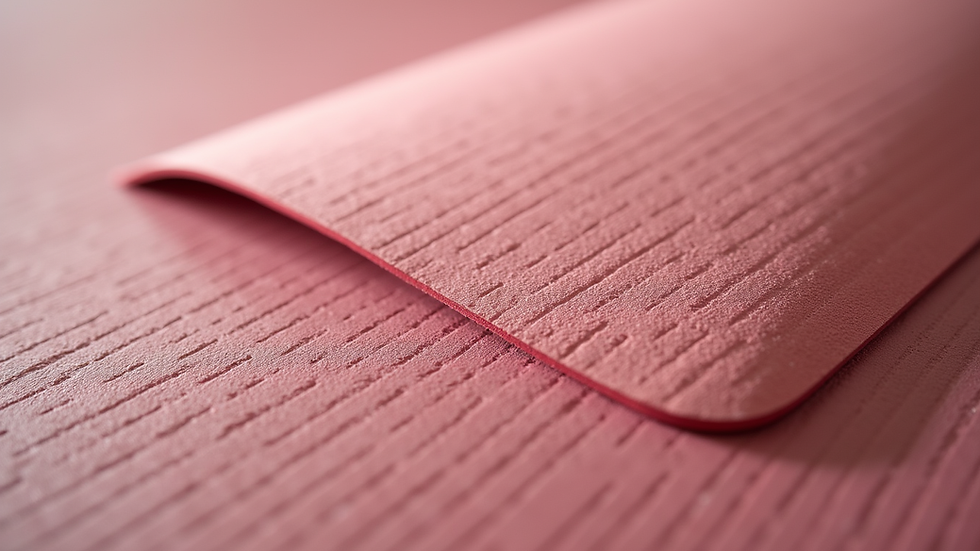
From my experience, natural rubber mats provide excellent grip, even during sweaty sessions. They offer a cushioned yet firm surface that supports joints and balances stability. Plus, their natural texture feels grounding and authentic underfoot.
Here are some key benefits I’ve noticed:
Eco-friendly: Made from sustainable materials, free from harmful chemicals.
Durability: Resistant to wear and tear, lasting for years with proper care.
Grip: Superior traction that improves with moisture.
Comfort: Balanced cushioning that protects knees and wrists.
Biodegradable: Breaks down naturally, reducing landfill waste.
Top Natural Rubber Yoga Mats Reviewed
I’ve tested several natural rubber yoga mats to find the best options for different needs and budgets. Here’s a detailed look at some standout mats that combine quality, comfort, and sustainability.
1. The Classic Eco-Friendly Mat
This mat offers a perfect balance of thickness and grip. It’s about 5mm thick, providing enough cushion without feeling unstable. The natural rubber surface grips well on both hardwood and tile floors. I appreciate its non-toxic manufacturing process, which means no unpleasant chemical smells.
Thickness: 5mm
Weight: Medium, easy to carry
Texture: Slightly textured for grip
Price: Mid-range
2. The Extra Thick Comfort Mat
If you need extra padding for sensitive joints, this mat is a great choice. At 6mm thickness, it cushions knees and elbows beautifully. The natural rubber base prevents slipping, and the top layer is made from jute, adding a natural, earthy feel.
Thickness: 6mm
Weight: Heavier but stable
Texture: Jute top for natural grip
Price: Slightly higher
3. The Lightweight Travel Mat
For those who travel or attend classes, portability is key. This mat is thinner at 3mm but still offers solid grip and comfort. It rolls up compactly and fits easily in a yoga bag. Despite its lightness, it maintains the eco-friendly natural rubber core.
Thickness: 3mm
Weight: Light and portable
Texture: Smooth with subtle grip
Price: Affordable

How to Choose the Right Natural Rubber Yoga Mat for You
Selecting the perfect mat depends on your practice style, body needs, and values. Here are some tips to guide your choice:
Consider Thickness
Thicker mats (5-6mm) offer more cushioning, ideal for restorative or gentle yoga.
Thinner mats (3-4mm) provide better stability for balance poses and travel.
Check the Texture
A textured surface improves grip, especially if you sweat a lot.
Smooth surfaces feel softer but may be less slip-resistant.
Weight and Portability
If you carry your mat daily, choose a lighter option.
For home practice, weight is less critical.
Eco Credentials
Look for certifications like OEKO-TEX or FSC to ensure sustainability.
Avoid mats with synthetic layers or toxic glues.
Maintenance
Natural rubber mats need gentle cleaning with mild soap and water.
Avoid harsh chemicals or machine washing.
Caring for Your Natural Rubber Yoga Mat
Proper care extends the life of your mat and keeps it fresh. I recommend these simple steps:
Clean regularly: Wipe down after each use with a damp cloth.
Deep clean monthly: Use a mixture of water and mild soap, then air dry.
Avoid direct sunlight: Prolonged exposure can degrade rubber.
Store rolled up: Keep it in a cool, dry place to maintain shape.
Use a mat bag: Protects from dust and damage during transport.
These habits keep your mat looking and feeling great, supporting your practice for years.
Embracing a Sustainable Yoga Practice
Choosing a natural rubber yoga mat is a step toward a more mindful, eco-conscious lifestyle. It aligns with values of respect for the planet and personal well-being. The mats I’ve reviewed combine functionality with sustainability, making them a smart investment.
If you want to explore more options and detailed insights, check out these natural rubber yoga mat reviews. They offer a comprehensive look at what’s available and how each mat performs.
Yoga is about connection - to your body, breath, and the world around you. A natural rubber mat supports that connection beautifully, grounding your practice in nature’s own materials.
I hope this guide helps you find the perfect mat to enhance your yoga journey. Remember, the right mat is the one that feels like home beneath your feet.
Happy practicing!


Comments